

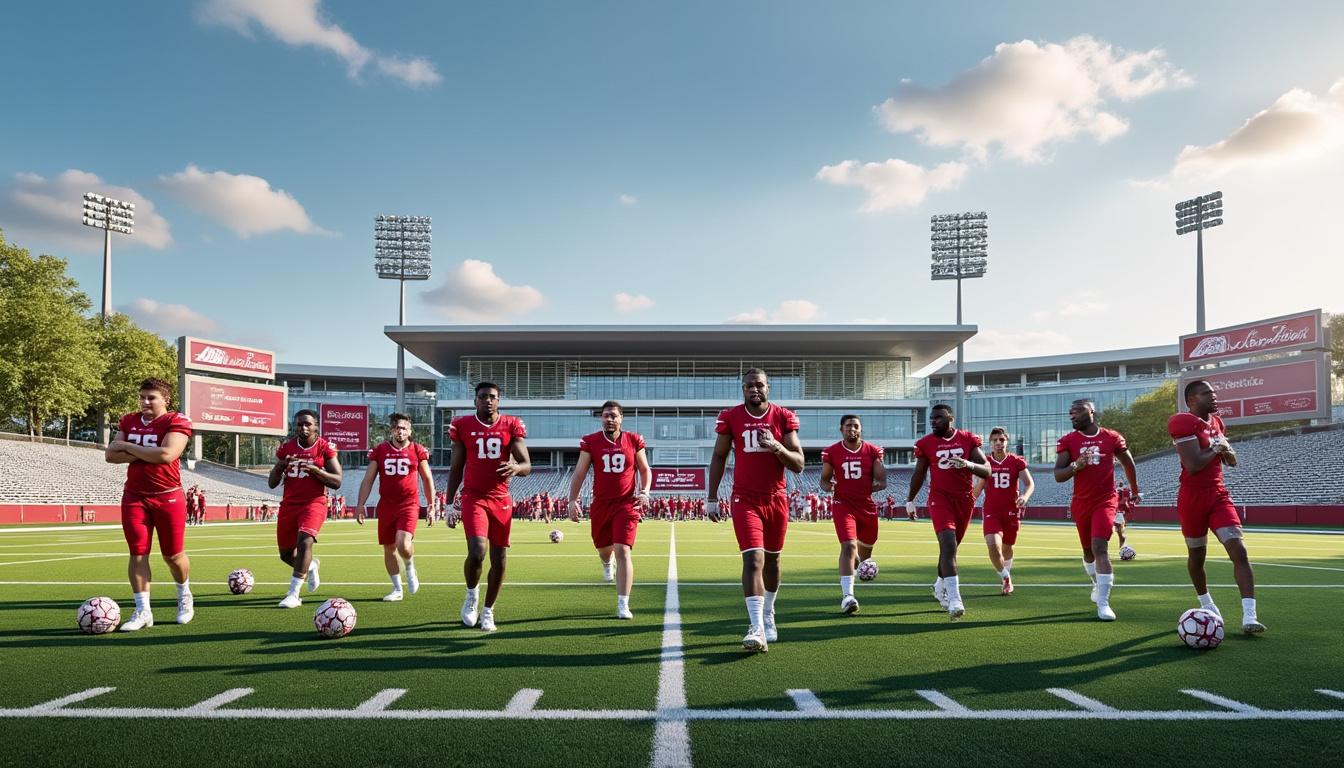
NC State uses a bold revenue sharing and scholarship funding model to stay competitive in modern college athletics. The athletic department now treats money for student-athletes like a strategic investment across every sport, not only a reward for the biggest teams.
NC State Revenue Sharing Strategy In College Athletics
NC State entered the new revenue sharing era by committing the full $20.5 million allowed under recent NCAA regulations and the House settlement. The athletic department did not stop at partial funding, which signals a clear intent to compete at a national level.
The central idea is simple. NC State treats revenue sharing as a structured funding model where every sport receives a defined piece of the budget, tied to roster size, competitive goals, and market impact. You see this explained in detail on resources such as this overview of NC State revenue and scholarships.
Instead of one centralized pool handled only at the top, the department gives each head coach direct responsibility for how the allocated money supports student-athletes in that program. This shifts spending decisions closer to the teams, with clear accountability.
How Head Coaches Shape Revenue Sharing Decisions
NC State’s revenue sharing model trusts head coaches with real financial strategy. Once the athletic department sets the sport-by-sport allocation, each coach decides how to use those dollars within NCAA regulations.
For example, a coach might direct more revenue sharing funds toward retaining key upperclassmen, or toward attracting transfers who fill urgent roster gaps. Another coach might focus on depth across positions to handle long seasons and injuries.
This approach treats coaches as program CEOs. They handle recruiting, development, and now a key part of financial planning for their teams. The result is a more flexible system that adapts to each sport’s reality.
When you watch recent athletic department interviews and analysis videos, you see a consistent message. NC State wants student-athletes to feel the impact of this money directly in their daily experience, from scholarships to support services.
Scholarship Funding And Sports Allocation At NC State
Revenue sharing sits beside scholarship funding, not in place of it. NC State uses a blended model where traditional scholarships and new direct payments work together under updated NCAA regulations on roster limits.
Scholarship funding still anchors how many student-athletes each sport supports. What changed is the flexibility. Instead of hard scholarship caps, the focus moves to roster limits and total financial outlay per sport, which gives the athletic department more room to design its sports allocation strategy.
Revenue Sharing Versus Traditional Scholarships
For a typical NC State student-athlete, the package now includes a mix of tuition coverage through scholarship funding, cost-of-attendance stipends, and revenue sharing payments. Each part serves a different purpose.
Scholarships secure access to education. Revenue sharing connects directly to the value athletes create in college athletics as fans watch games, buy tickets, and stream events. Together, they reduce financial stress and support staying enrolled through graduation.
According to updated breakdowns released by the athletic department and summarized on sites like specialized scholarship and revenue reports, the total budget for scholarships increased alongside revenue sharing, not in opposition to it.
NC State follows a funding model where football and men’s basketball receive a larger piece of the revenue sharing pie. These two programs drive the bulk of media rights revenue, ticket sales, and national exposure for the school.
Football carries large rosters, high travel costs, and year-round staff expenses. Men’s basketball, with a smaller roster, still draws strong TV interest across the ACC and beyond. Placing them at the top of the sports allocation ladder reflects financial reality in modern college athletics.
At the same time, NC State leadership stresses that these investments aim to raise the overall profile of the university, which benefits all student-athletes and academic units through visibility and donor interest.
How Non-Revenue Sports Fit Into NC State’s Funding Model
Non-revenue sports at NC State do not get ignored in this new financial strategy. The athletic department provides structured revenue sharing allocations to Olympic and niche sports, based on roster size, success potential, and Title IX balance.
Sports such as volleyball, track and field, swimming, and women’s soccer gain from upgraded resources. They use these funds to recruit internationally, provide more stable scholarship funding, and maintain top-level support services.
Interviews with coaches in these sports often highlight how targeted financial support helps retain athletes who might otherwise leave for programs in the SEC, Big Ten, or overseas professional paths.
Case Study: A Women’s Program Under The New Model
Consider a fictional NC State women’s soccer player named Amina. Under the old system, her partial scholarship covered tuition, but extra costs such as housing and nutrition strained her family budget.
Under the new revenue sharing model combined with expanded scholarship funding, Amina receives a higher percentage of tuition covered plus a direct revenue share payment linked to team status within college athletics. The coach also taps into sports allocation for performance nutrition and sports psychology support.
The result is simple. Amina focuses more on academics and performance, less on part-time work. This practical shift shows how financial strategy on paper changes daily life for student-athletes.
NC State, NCAA Regulations, And The New Era Of College Athletics
NC State’s revenue sharing approach responds to a historic shift in NCAA regulations. The House settlement opened direct pay to student-athletes tied to shared athletics revenue. Scholarship limits gave way to roster caps, which changes how schools plan budgets.
NC State’s athletic department decided to align early with these expectations instead of waiting. By going “all in” on the maximum $20.5 million figure, the school signals to recruits and transfers that their time in Raleigh will include competitive financial support.
Managing Risk And Compliance In The Funding Model
With new freedom comes new risk. Compliance staff now track not only amateurism rules but also revenue sharing calculations, equitable treatment, and Title IX obligations. The financial strategy needs clear rules to avoid internal tension between programs.
NC State handles this by setting transparent sport-by-sport budgets and publishing the global revenue sharing and scholarship framework. Analysts who cover the ACC often use public breakdowns and summaries such as NC State revenue share analysis to explain how the numbers line up with NCAA expectations.
This clarity reduces rumors inside locker rooms and shows recruits how money flows through the athletic department before they sign.
Practical Impact On NC State Student-Athletes
For individual student-athletes, revenue sharing and scholarship funding translate into daily support, not only numbers on a spreadsheet. Athletes now balance class, practice, and competition with a more stable financial base.
Some use extra funds to reduce student loan reliance. Others pay for off-season training, specialized coaching, or professional development programs such as internships in Raleigh or across North Carolina.
How Financial Support Shapes Academic And Life Outcomes
Studies across college athletics show higher retention and graduation rates when financial stress decreases. NC State leans into this research by aligning revenue sharing with academic services.
For example, funds support extended academic advising hours, tutoring centers, and learning specialists. Athletes receive structured help to plan double majors or graduate degrees while still within eligibility windows.
Guides on scholarship use, such as student-focused scholarship breakdowns, encourage athletes and families to see this support as part of a long-term education and career path, not short-term income.
As more athletes receive financial literacy training, the benefits of revenue sharing and scholarship funding extend beyond the field and into post-college life.
Key Lessons From NC State’s Revenue Sharing Model
NC State offers a practical template for any student or family trying to understand how revenue sharing and scholarship funding interact in modern college athletics. The core lessons help you evaluate other schools as well.
Look for clear sport-by-sport allocation, real commitment from the athletic department, and open communication about how funds reach student-athletes. These signals show whether a university treats its athletes as partners in a shared program.
Checklist For Evaluating A School’s Sports Allocation Strategy
When you compare NC State with other universities, use a simple checklist to judge each funding model. This helps you move past headlines and focus on what matters for your own education and athletic future.
- Revenue sharing level: Does the school commit close to the maximum allowed, like NC State’s $20.5 million, or does it hold back.
- Transparency: Does the athletic department publish or explain how money flows across sports.
- Balance between sports: Are non-revenue sports supported with clear sports allocation, not only token amounts.
- Scholarship funding stability: Are scholarships secure across your full eligibility period.
- Support services: Do revenue sharing and scholarships connect to academic, mental health, and career resources.
- Compliance with NCAA regulations: Does the school prioritize long-term stability over short-term wins.
- Student-athlete voice: Are athletes consulted when financial policies shift.
When you apply this checklist to NC State and peer programs, you understand how revenue sharing and scholarship funding shape your real options in college athletics. If you want details tailored to NC State in particular, guides like this NC State-specific scholarship and revenue resource give you a deeper look at current numbers and policies.