

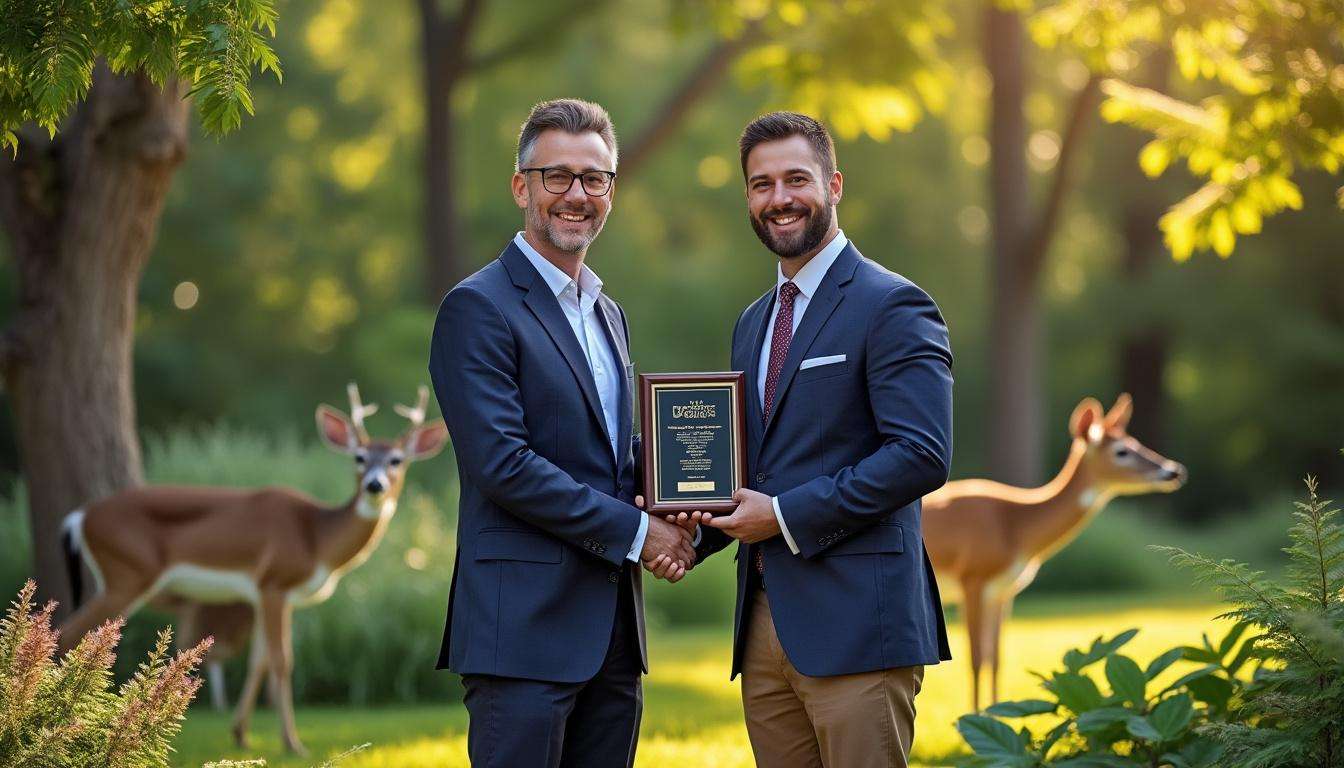
A Fergus Falls alumnus is gaining national attention after earning an elite scholarship for advancing ecology and wildlife conservation. Her story shows you how passion for environmental protection, steady study, and real-world experience turn into major funding and long-term sustainability impact.
Elite Scholarship Honors Fergus Falls Alumnus Driving Wildlife Conservation
Norah Foreman, a graduate of Fergus Falls High School, received a national elite scholarship from the Izaak Walton League, one of the oldest conservation groups in the United States. This award recognizes her work in ecological research, wildlife conservation, and biodiversity protection.
The Fergus Falls alumnus grew up treating the local library like a second home, spending hours reading about ecosystems, endangered species, and environmental protection. Those early habits built the knowledge base she uses now in global conservation leadership projects.
From Fergus Falls Classrooms To Global Ecology Projects
Norah’s path shows how early exposure shapes a career in advancing ecology. In fourth and fifth grade she attended the Prairie Wetlands Learning Center near Fergus Falls, where outdoor classes replaced traditional lessons. Field walks, bird observation, and soil and water activities built a direct connection with nature.
Those experiences later guided her choice to study ecology and wildlife conservation at Montana State. Instead of focusing only on theory, she pursued field internships, citizen science projects, and research assistant roles that deepened her understanding of biodiversity and habitat management.
Her journey mirrors the same structured preparation you see in other scholarship tracks. If you want ideas on how to build a similar profile, resources such as global scholarship opportunities show how international experience and academic focus strengthen your application.
New Zealand Internship Strengthening Ecology And Sustainability Skills
The elite scholarship recognized not only Norah’s grades but also her immersion conservation program in New Zealand. There she worked on coastal restoration and native species protection, linking local biodiversity issues to global sustainability challenges.
Her days included monitoring seabird colonies, mapping invasive plants, and collecting data for ecological research projects on shifting weather patterns and habitat pressure. Direct experience with extreme weather events connected textbook climate models to real field conditions.
How International Fieldwork Supports Conservation Leadership
International field experience trains you to think beyond one region. Norah learned how indigenous knowledge informs environmental protection, how policy shapes land use, and how coastal communities balance tourism and conservation. This mix forms a strong base for future conservation leadership.
If you aim for similar roles, build a plan that links courses, internships, and service. Guides for highly competitive awards, such as top-tier scholarship pathways, show how to combine academic excellence with global experience in a coherent application story.
Think of every field season, project report, and presentation as part of your long-term investment in advancing ecology.
Sharing Conservation Research: From Scholarship To Community Impact
The Fergus Falls alumnus is not stopping at the scholarship award. She is presenting her New Zealand experience and ecological research insights at an Izaak Walton League chapter meeting hosted in a regional library. The event is free and open to the public, which turns her personal journey into a community resource.
By explaining field methods, data findings, and policy questions in simple language, she moves from student to local educator. This step matters for long-term sustainability, because public understanding supports better environmental decisions at town and county levels.
Turning Field Experience Into Conservation Leadership
Effective conservation leadership links science, communication, and policy. Norah’s talk covers how wildlife populations respond to land use change, how extreme weather affects breeding seasons, and how local action supports global environmental protection goals. Audience members leave with concrete steps, not vague slogans.
If you want to prepare for similar speaking roles and scholarship interviews, study resources such as mastering interview strategies. Strong interview skills help you explain complex biodiversity issues in a direct, persuasive way when facing scholarship panels or selection committees.
Lessons From An Elite Scholarship In Ecology And Wildlife Conservation
Norah’s elite scholarship offers a clear roadmap for students from small towns who want to work in wildlife conservation. She linked local roots in Fergus Falls to international fieldwork, then tied those experiences to academic performance and visible community engagement.
This scholarship from a long-established conservation group with more than 200 chapters shows how tradition and innovation connect. Longtime members see her as a future advocate for environmental protection at state, national, and global levels.
Practical Steps To Follow A Similar Ecology Scholarship Path
If you aim for advancing ecology and conservation leadership, start early and move in small, steady steps. Each decision builds the profile scholarship committees look for, even if you begin in a modest setting like a public library or local wetland center.
- Build a reading habit: Use your local library to study ecology, biodiversity, and climate science. Treat reading like daily training, not an occasional task.
- Seek outdoor learning programs: Join field trips, wetland centers, nature camps, or citizen science groups. Direct contact with ecosystems shapes your future research interests.
- Choose focused coursework: Pick classes that support ecological research, such as biology, statistics, GIS, and environmental policy.
- Pursue internships and field seasons: Look for practical roles in parks, research labs, or NGOs. Use each position to gather data, write reports, and build references.
- Prepare strategically for scholarships: Study guides such as international scholarship resources, elite program tips, and advice on scholarship income so you understand both application and financial planning.
These steps help you move from interest in nature to a strong profile that attracts serious funding for work in wildlife conservation and long-term sustainability.
From Local Roots To Future Environmental Protection Policy
The Fergus Falls alumnus plans to take her degree from Montana State and field experience from New Zealand into roles that shape policy for environmental protection. Her goal is to influence how governments and organizations manage land, water, and wildlife under increasing climate pressure.
Her story fits into a broader trend where scholarship recipients in advancing ecology move into roles at agencies, think tanks, or international NGOs. They combine local understanding with scientific evidence and community outreach to design policies that protect biodiversity.
Connecting Scholarships, Career Paths, And Long-Term Impact
Strong funding changes what students can attempt. Instead of choosing only short-term jobs, an elite scholarship lets you focus on graduate school, long-term ecological research, or multi-year conservation projects. Strategic planning, similar to the method used in competitive professional programs described in advanced scholarship strategies, helps you align money, time, and academic goals.
While some students direct their scholarship search toward areas like athletics or aviation, with guides such as the college football scholarships guide or a focused business aviation scholarship, Norah shows how a similar structured approach works for wildlife conservation. Clear focus, documented impact, and consistent community involvement form the core across all fields.
In the end, the Fergus Falls alumnus honored with an elite scholarship proves that deep commitment to advancing ecology, steady work in ecological research, and clear conservation leadership create opportunities to protect wildlife and guide sustainability decisions for years to come.