

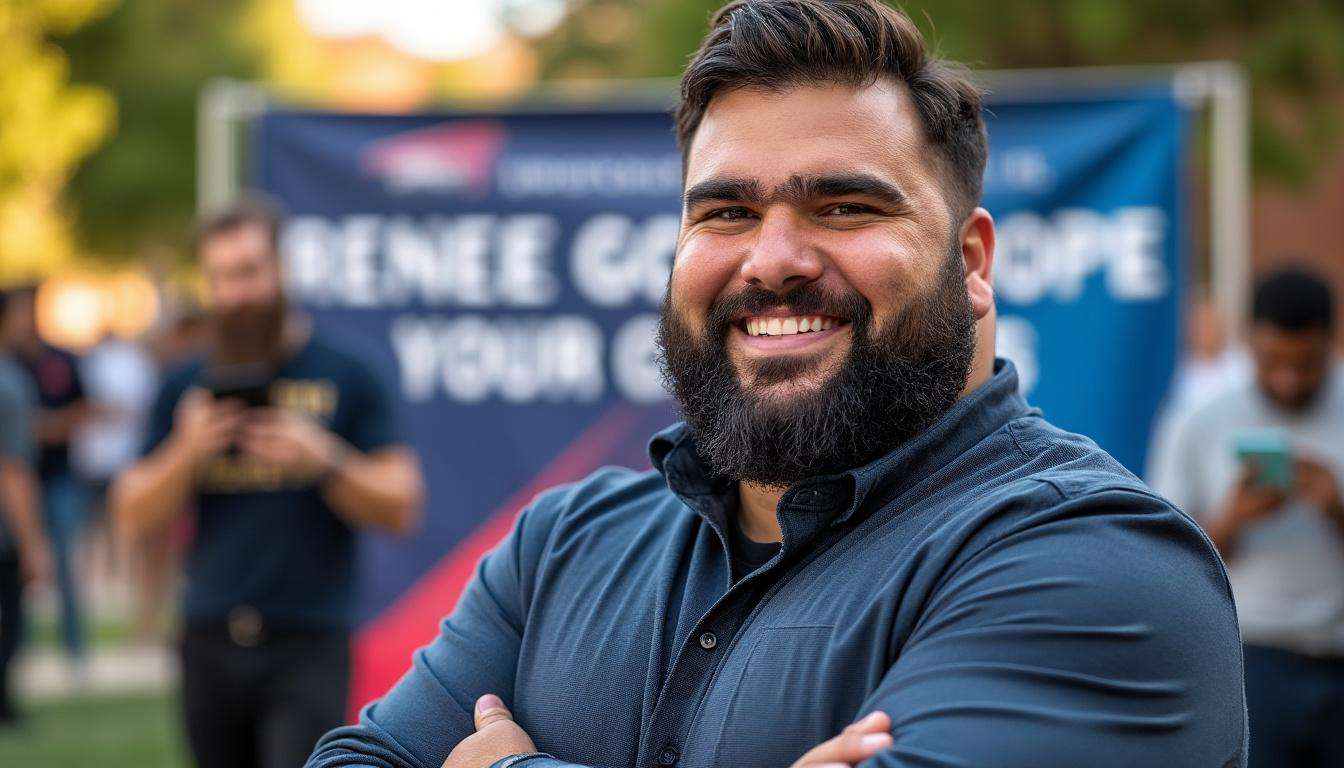
The rumor about Jason Kelce founding a scholarship in honor of Renee Nicole Good attracted a lot of attention on social media. Many readers wanted to know if the Renee Good Hope Scholarship Fund was a genuine scholarship program and an example of real philanthropy, or a fabricated viral story.
Did Jason Kelce Found The Renee Good Hope Scholarship Fund?
According to fact-checking investigations, Jason Kelce did not create or fund a Renee Good Hope Scholarship Fund. The story that he launched a special Scholarship Fund with a personal founding donation of $300,000 in memory of Renee Nicole Good is false.
The claim spread in January after posts described Kelce turning grief into hope and providing lifelong education support for Renee Good’s child. No verified source, trusted charity database, or credible news outlet has reported such a real charity initiative by him tied to this name.
How The Jason Kelce Scholarship Fund Rumor Started
The false story claimed the former Philadelphia Eagles center launched the Renee Good Hope Scholarship Fund after the fatal shooting of Renee Good, a 37-year-old Minneapolis resident, by a U.S. Immigration and Customs Enforcement officer on January 7. Posts said this new Scholarship Fund would fully cover the education of her six-year-old son.
A Facebook page named Chiefs Strategy Central played a key role in spreading the narrative. It shared an image collage of Kelce hugging a boy, Renee Good with her son, and Kelce crying alone. The caption framed the story as a moving act of philanthropy and lifelong education support.
Fact-checkers later contacted the page administrators and found multiple managers listed in Vietnam, which raised more questions about the origin and credibility of the content.
Why The Renee Good Hope Scholarship Fund Story Is False
Several lines of evidence show the Jason Kelce story about the Renee Good Hope Scholarship Fund is fabricated. Understanding how these elements fit together helps you judge similar viral fundraising claims in the future.
First, thorough searches across major search engines and news databases found no reporting by reputable outlets on such a Scholarship Fund. A donation of $300,000 from a high-profile NFL figure linked to a tragic national story would attract strong coverage in sports and news media.
AI-Generated Images And Language Around The Scholarship Program
The images used to support the claim of a Scholarship Program were not authentic. An analysis with Google’s SynthID Detector found a digital watermark indicating generative AI involvement in the photo of Jason Kelce supposedly hugging Renee Good’s son, and in another image showing him in tears.
The language of the posts also showed typical AI patterns. Phrases with exaggerated emotion and heavily polished wording appeared in the caption, which presented the fake philanthropy act as a hidden, pure form of charity with “no cameras” and “no speeches.” This style matched a trend of mass-produced sentimental stories used for ad-driven traffic.
These clues fit a wider pattern in which AI tools create both visuals and copy to push fabricated fundraising narratives and drive clicks to low-quality websites.
How AI-Driven Charity Rumors Exploit Scholarship Stories
The false Renee Good Hope story sits inside a broader wave of AI-generated “glurge” content. These are sentimental tales of celebrities starting a Scholarship Fund, saving a stranger, or pulling off a secret act of kindness. The goal is not community impact or real education support but advertising revenue.
Blog owners link such viral stories to ad-heavy pages. Every click from a shared post becomes a small payout, which pushes them to publish more fake philanthropy stories about different stars, including athletes and musicians.
From Jalen Hurts To Jason Kelce: Recycled Scholarship Fund Myths
A similar rumor earlier claimed Philadelphia Eagles quarterback Jalen Hurts launched a Renee Good Hope Scholarship Fund with a $300,000 donation. Fact-checkers found no record of such founding support in public charity databases or from Hurts’ representatives, and rated that claim false.
The same storyline later reappeared with Jason Kelce swapped in as the hero. The amount of the alleged initial gift, the target of the Scholarship Program, and the emotional framing stayed almost identical. Only the celebrity’s name changed, which matches how clickbait networks recycle stories to reach new fan bases.
Impact Of The Fake Renee Good Hope Story On Real Education Support
Students and families looking for genuine education support risk confusion when viral stories like the Renee Good Hope Scholarship Fund circulate without proof. Each false claim makes it harder for readers to trust real Scholarship Fund opportunities and verified fundraising campaigns.
Trusted scholarship platforms, school counselors, and legitimate non-profits work to filter noise and guide applicants toward authentic scholarship program options. Viral fabrications pull attention and trust away from these reliable routes.
How Fake Philanthropy Stories Affect Communities
For communities grieving real loss, fabricated tales of celebrity philanthropy can feel like exploitation. Linking a tragic event to a non-existent charity or Scholarship Fund reduces a complex situation to shareable content designed for clicks.
When residents later learn a much-celebrated Scholarship Program never existed, trust in outside supporters and donors erodes. This distrust harms future community impact efforts that might have helped survivors in practical, responsible ways.
How To Verify Any Scholarship Fund Or Charity Story
If you aim to fund your studies, you need a simple method to judge whether a new Scholarship Fund or fundraising appeal is genuine. Before you share, apply, or donate, pause and check a few basic elements.
This helps you focus on real Scholarship Program options and avoid scams built around false philanthropy claims involving high-profile names such as Jason Kelce.
Checklist For Evaluating Scholarship And Philanthropy Claims
Use this checklist each time you encounter a new Scholarship Fund or heartwarming charity story connected to a celebrity or sports figure:
- Look for independent news coverage: Search major news outlets for reports on the Scholarship Program or donation.
- Check official channels: Visit the athlete’s official website, verified social media, or team site for any confirmation of the founding or fundraising effort.
- Search charity databases: Use trusted public charity or non-profit registries to see if the Scholarship Fund is registered.
- Examine the URL: Be cautious with obscure WordPress or blog domains stuffed with ads and generic content.
- Study the images: Look for AI artifacts like distorted hands, inconsistent lighting, or unnatural backgrounds in “photo proof” of philanthropy.
- Read the wording: Overly dramatic copy with vague details and over-the-top praise signals glurge instead of real community impact.
- Trace the money flow: If a post asks for donations, confirm who collects the funds and how they promise to deliver actual education support.
Each of these steps strengthens your ability to separate serious opportunities from emotional but empty stories.
What Students Should Focus On Instead Of The Fake Jason Kelce Scholarship Story
While the Jason Kelce and Renee Good Hope Scholarship Fund rumor is false, there are thousands of legitimate scholarship program opportunities built for students from many backgrounds. Your energy is better spent identifying programs with clear criteria, transparent fundraising, and proven community impact.
Think of education support as a strategy rather than a one-time miracle. A mix of local charity grants, institutional aid, and national funds can together reduce your costs in a sustainable way.
Practical Steps To Find Real Scholarship Programs
To move from rumors toward results, structure your search. Use trusted sources known for screening and listing real Scholarship Fund and philanthropy initiatives with clear rules and deadlines.
For example, a student like “Alex,” finishing high school and planning for college, might schedule weekly search sessions. Each week Alex looks for new fundraising-backed opportunities on reliable portals, checks eligibility, and submits focused applications instead of chasing viral celebrity stories.