

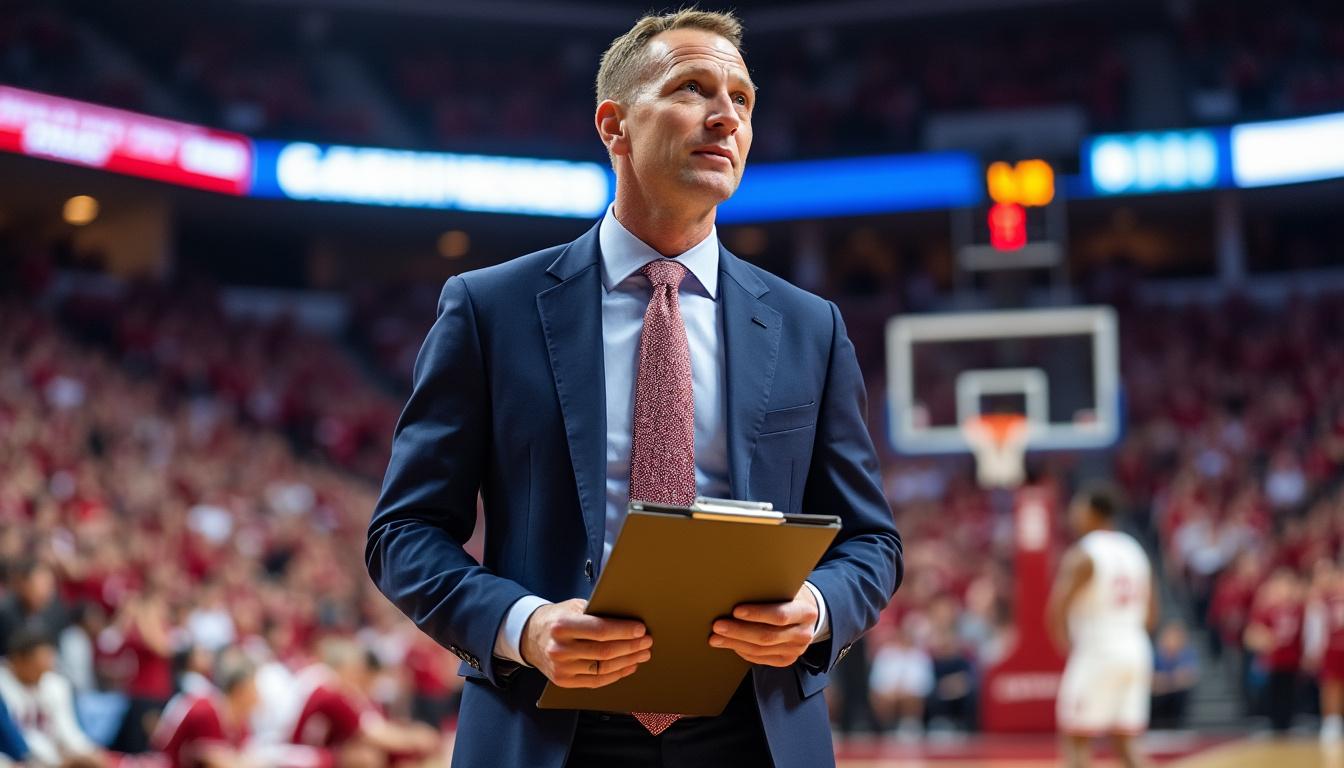
Nate Oats and Alabama basketball sent a strong signal about what a college scholarship means. Head coach Nate Oats confirmed that Alabama will keep Charles Bediako on scholarship even if his basketball eligibility changes, underlining the priority of education over short-term results.
Nate Oats Keeps Bediako On Scholarship At Alabama
In recent comments, Nate Oats made it clear that Bediako remains part of the team roster at Alabama regardless of his player status with the NCAA. The school will honor his scholarship so he can complete his degree, even if a court decision alters his ability to play.
The dispute centers on basketball eligibility rules and an injunction request linked to Bediako’s previous professional experience. While lawyers and the NCAA argue about regulations, Oats stated that, for Alabama, the commitment to Bediako’s education stands.
What This Player Status Decision Means For College Sports
This decision influences more than one athlete. When a high-profile coach backs a player’s scholarship beyond basketball eligibility, it sets an example across college sports. Other coaches watch how Alabama balances competition and degrees.
For recruits, this type of stance matters. You want to know if a program will stand by you if injuries, eligibility rulings, or off-court issues affect your player status. Alabama’s position with Bediako tells future players that their education has real weight.
Media coverage of this case keeps pointing to a wider debate. Should the NCAA put academic completion at the center when eligibility questions arise, or should rules about professional history stay strict, even when a degree is at stake?
Balancing NCAA Eligibility Rules And Education
The core issue in Bediako’s situation relates to how NCAA rules treat athletes who had professional experience before returning to campus. A temporary court order allowed him to play while his case moved forward, which brought national attention to his player status.
Oats framed the controversy in simple terms. A court gives a ruling, Alabama follows it, but the program still honors the commitment to the student. This split between legal eligibility and educational support highlights how complex college sports have become in the NIL and transfer portal era.
Why Alabama’s Stand On Scholarship Matters For Students
For a student like Bediako, a scholarship guarantees tuition, fees, and daily support while working toward a degree. Losing basketball eligibility would normally threaten that entire package. Alabama’s promise keeps his academic path stable, even if his minutes on the court change.
Many athletes face similar pressures. One ruling from the NCAA or a conference can flip your team roster status overnight. When a program continues your funding, you keep your housing, access to tutors, and long-term career options, which outlast any season.
This protects not only the player, but also the academic values universities claim to support. Keeping a scholarship tied to degree completion rather than game appearances sends a clear message to families watching from home.
How Nate Oats’ Decision Affects Team Roster And Culture
On the surface, the Bediako case looks like a narrow argument over eligibility. Inside the locker room, it shapes culture. When a head coach stands behind a player who might not help in the box score, it signals loyalty to the entire team roster.
Teammates see that their head coach values people, not only points and rebounds. That trust can improve cohesion during tough stretches of the season. Players fight harder on the court when they believe the program will stand by them if their own player status faces risk.
Recruiting Impact Across College Sports
Recruits and their families examine more than arenas and jerseys. They ask how a staff responds when a player hits trouble with the NCAA. Alabama’s handling of Bediako gives Oats and his assistants a specific example in living color.
Picture a high school senior visiting campus with parents who worry about injuries or eligibility rules. Staff members point to how Alabama kept Bediako’s scholarship intact while lawyers debated his basketball status. That story reassures them that the school sees them as students first, athletes second.
Over time, similar choices across programs might influence how the broader college sports system treats student support, especially in conflicts between rules and education.
What Student-Athletes Learn From The Bediako Scholarship Case
To make this more concrete, think about a fictional player, Marcus, a sophomore center at another Division I school. Marcus sees Bediako’s name in headlines and starts to ask new questions about his own path, long before any dispute with the NCAA touches him.
He understands the risk tied to player status. An ankle injury or eligibility review could change his future overnight. Watching Alabama’s decision encourages him to map out academic goals, plan internships, and talk earlier with advisors about life after basketball.
Practical Steps You Should Take As A Student-Athlete
If you play in college sports, use the Bediako situation as a checklist for your own strategy. Your aim is to secure your degree and financial stability regardless of how any eligibility review turns out.
- Clarify your scholarship terms: Ask staff how your scholarship works if injury or eligibility rulings change your role.
- Prioritize your major: Choose a field that still interests you if your basketball career stops earlier than planned.
- Meet with compliance staff: Learn how NCAA rules affect your player status, especially if you had semi-pro or overseas experience.
- Use academic resources: Tutoring, writing centers, and mentoring help you progress toward graduation, even during road trips and tournaments.
- Plan beyond the court: Network with alumni, seek job-shadow days, and track stories like Bediako’s to prepare for different outcomes.
These steps give you more control over your future, instead of waiting to react if an eligibility problem arrives without warning.
Finding Scholarships Beyond Basketball Eligibility
The Bediako example shows the value of having a secure scholarship tied to academics. If your own player status is uncertain or if you never played at the Division I level, you still have options through external funding and regional awards.
Many students look for local or themed programs that support tuition without depending on basketball or other sports. For instance, leadership-focused funding like the NIU Emerging Leaders program helps students develop skills in service and campus involvement, regardless of their NCAA status.
Examples Of Scholarship Paths For Non-Athletes And Former Athletes
Some scholarships mirror the security Alabama gives Bediako, but for a broader audience. They protect your educational path whether you play a sport or not. Regional initiatives are a strong place to start if you want long-term support.
For example, state-based funding like the Colorado Scholarship Initiative helps residents continue college even when personal or financial situations change. Similar programs exist for different states and special groups, and they often stay in place regardless of your role on any team roster.
International-focused support, such as the Ireland 10,000 scholarships opportunity, shows how students worldwide use funding to shift between regions and campuses. These journeys do not depend on basketball eligibility or college sports at all, yet they mirror the same central idea: stable support for education first.
Key Takeaways From The Nate Oats And Bediako Scholarship Story
The decision by Nate Oats and Alabama to keep Bediako on scholarship despite uncertain basketball eligibility highlights a shift in how some programs view responsibility. They treat education as the non-negotiable element, even while following court orders and NCAA rulings about player status.
For you, the lesson is simple and direct. Do not tie your entire future to a spot on a team roster. Study your options, ask clear questions about your scholarship, and explore outside funding streams, so your academic goals stay secure whether you are on the court, on the bench, or moving into the next chapter of your life.